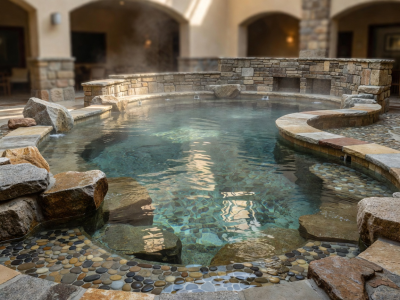
Hydrotherapy & Thermal Wellness: The Aquatic Reset
The therapeutic use of water is arguably the oldest wellness tradition in human history. From Roman bathhouses to Japanese onsens, cultures worldwide have recognized the restorative power of thermal extremes. Today, top-tier wellness destinations have refined these ancient practices through the lens of modern physiology, utilizing hydrotherapy specifically for nervous system regulation.
The Physiology of Contrast Therapy
At the core of modern thermal wellness is contrast therapy—the deliberate oscillation between extreme heat (saunas, steam rooms, hot springs) and extreme cold (plunge pools, snow rooms, ice baths). This practice heavily impacts the cardiovascular and autonomic nervous systems.
Heat causes vasodilation (the widening of blood vessels), lowering blood pressure and relaxing musculature. Sudden cold exposure causes rapid vasoconstriction, driving blood inward to protect the core organs. This "pumping" action acts as an intensive workout for the circulatory system. More importantly, the shock of the cold forces an immediate, acute sympathetic response (stress), which the body must rapidly regulate, culminating in a massive parasympathetic (relaxing) rebound.
Originating in 19th-century Bavaria, this systematic approach to water therapy (alternating temperatures applied to specific body parts) remains a foundational pillar in European medical spas for boosting immune function and vascular health.
Key Hydrotherapy Installations
Luxury thermal circuits are meticulously engineered. A premium retreat will likely feature:
- Balneotherapy Pools: Soaking in mineral-rich water (often naturally occurring hot springs containing magnesium, sulfur, and silica) which permeates the skin, reducing joint inflammation and skin conditions.
- Biosaunas and Infrared: Lower temperature saunas that penetrate deep into the tissue without the suffocating ambient heat of traditional Finnish saunas, allowing for longer, more comfortable sessions.
- Cryotherapy Chambers vs. Ice Plunges: While nitrogen-cooled cryo chambers offer dry, hyper-cooled air, many traditionalists prefer the visceral, hydrostatic pressure of a true ice-water plunge pool.
Comparison: Heat vs. Cold
| Modality | Primary Mechanism | Nervous System Impact |
|---|---|---|
| Thermal (Heat) | Vasodilation, increased heart rate, sweat production. | Encourages muscular relaxation and mild endorphin release. |
| Cryo (Cold) | Vasoconstriction, norepinephrine spike. | Forces focus, drastically improves vagal tone, reduces inflammation. |
| Contrast | Vascular pumping, rapid adaptation. | Trains autonomic resilience; immense parasympathetic rebound. |
Optimizing Your Thermal Experience
To maximize the nervous system benefits, hydrotherapy must be performed with intention. Rushing through a sauna-to-plunge circuit can actually increase stress. The key lies in the resting periods between exposures. High-end spas provide dedicated tepidariums—lukewarm, silent resting spaces—where the body is allowed to fully integrate the temperature shifts before re-entering the circuit.
For those suffering from chronic fatigue or persistent low-level anxiety, a properly structured hydrotherapy retreat acts as a powerful, non-verbal method to flush stress hormones from the tissue and restore a deep, abiding sense of physical safety.